Floating Shelf Bracket Types: Hidden vs Exposed Compared

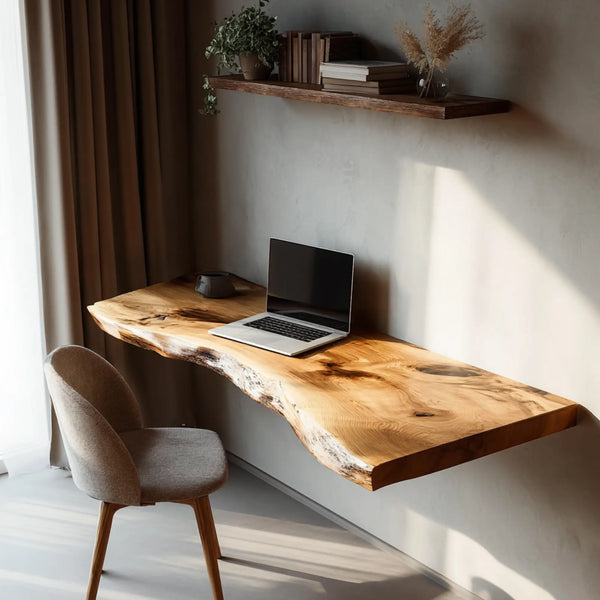
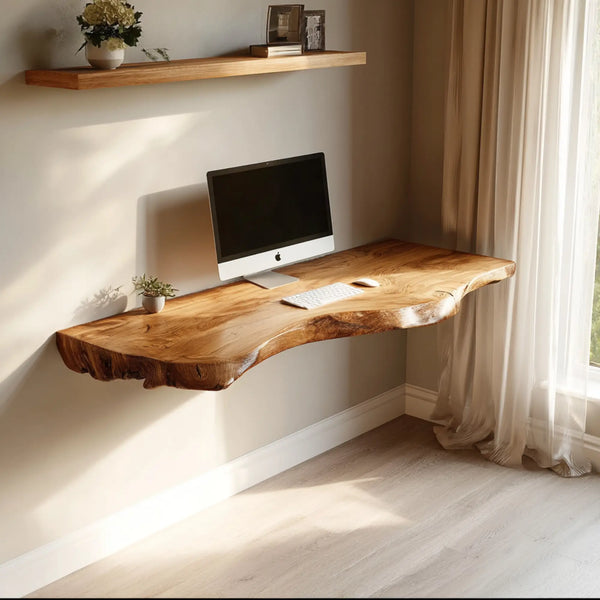
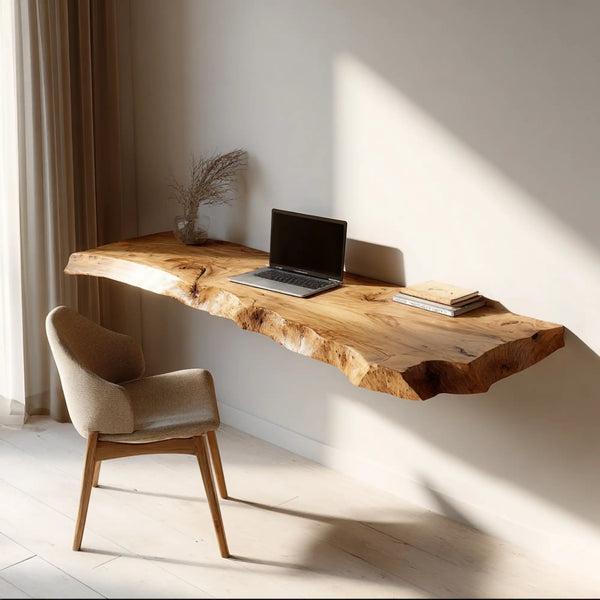
The bracket you choose determines three things about your floating shelf: how it looks, how much it holds, and how easy it is to install. Hidden brackets create the seamless "floating" illusion where the shelf appears to grow from the wall with no visible support. Exposed brackets sit underneath the shelf in full view, trading that illusion for stronger support and simpler mounting.
Neither type is universally better. A minimalist living room display calls for concealed hardware. A kitchen shelf holding cast iron cookware needs visible brackets anchored into studs. The right bracket depends on what you plan to put on the shelf, what your wall is made of, and how the shelf fits your room's design.
This guide covers every major bracket type, compares their weight capacity, cost, installation difficulty, and best use cases, then maps each type to the rooms and design styles where it works best.
Hidden Bracket Types

Hidden brackets mount inside or behind the shelf, creating a clean line where only the shelf surface is visible. Four main types exist, each with different strength and installation requirements.
Rod Brackets (Concealed Rod Supports)
Rod brackets are the most common hidden shelf support. A metal plate mounts flush to the wall with screws driven into studs. Steel rods extend horizontally from the plate. The shelf has corresponding holes drilled into its back edge and slides over the rods, hiding the entire mechanism.
Weight capacity: 45 to 50 lbs per wall stud connection. A 36-inch shelf on two studs handles roughly 90 to 100 lbs. For a deeper look at how stud connections affect load limits, see our floating shelf weight capacity guide.
Best for: Living room displays, bedroom shelving, bathroom storage, and any shelf carrying under 100 lbs.
Installation notes: The shelf must be drilled with precision holes matching the rod spacing. Misaligned holes mean the shelf will not seat flush against the wall. A drill press or doweling jig helps. The shelf needs to be at least 1.5 inches thick to accommodate the rods without weakening the wood.
Limitations: Rod brackets create a cantilever. The farther items sit from the wall, the more torque pulls on the top screws. On deep shelves (10 inches or more), capacity drops noticeably unless heavy items stay toward the back.
Heavy-Duty Concealed Systems (Hovr and Similar)
These premium brackets use thicker rods, reinforced wall plates, and interlocking male-female components that distribute force across a wider area. The Hovr system from ShelfExpression is the most widely known.
Weight capacity: Up to 150 lbs per stud. A 48-inch shelf spanning three studs supports 300+ lbs. This puts concealed support in the same range as exposed brackets for most residential applications.
Best for: Bookshelves, kitchen floating shelves holding heavy items, media shelves supporting turntables or monitors, and any application where you need hidden support above 100 lbs.
Cost: $40 to $80 per bracket, compared to $10 to $25 for standard rod brackets. The price gap is the trade-off for industrial-grade capacity with a clean look.
French Cleat Systems
A French cleat uses two interlocking pieces cut at a 45-degree bevel. One piece mounts to the wall. The other attaches to the back of the shelf. The shelf hooks onto the wall piece, and gravity locks the joint. The shelf can be lifted off and repositioned without removing any screws.
Weight capacity: 110 to 220+ lbs when mounted into studs, depending on cleat material and length. Aluminum French cleats (6mm thick) handle up to 200 lbs.
Best for: Shelves that need occasional repositioning, home office setups where shelving arrangements change over time, and heavy-duty applications where removal flexibility matters.
Why French cleats are underrated. Most bracket comparison articles focus on rod brackets and L-brackets. French cleats combine hidden support, high weight capacity, and the ability to reposition the shelf without patching holes. The only visual trade-off: the shelf must sit slightly away from the wall (the thickness of the cleat, usually 12 to 18mm), creating a small shadow gap. In some designs, this gap becomes a deliberate feature.
Floating Shelf Pins
The simplest hidden option. Short metal pins (3 to 5 inches) mount into wall studs. The shelf sits on top of the pins through drilled holes. No plate, no complex hardware.
Weight capacity: 10 to 25 lbs total. Pins have a small contact area and limited shear strength.
Best for: Very light decorative shelves, picture ledges, and small accent shelves under 24 inches long.
Limitations: Pins cannot support books, kitchenware, or anything requiring sustained load. They work in hallway displays and bedroom accent walls where the shelf holds one or two lightweight objects.
Exposed Bracket Types

Exposed brackets sit underneath the shelf and transfer weight downward through the bracket arm into the wall fastener. The hardware is visible and becomes part of the shelf's design.
L-Brackets (Angle Brackets)
The most widely available shelf bracket. A simple right-angle piece of metal or wood with one arm against the wall and one arm under the shelf. Available from hardware stores in dozens of sizes, finishes, and materials.
Weight capacity: 50 to 100+ lbs per bracket, depending on bracket size and material. A pair of heavy-duty steel L-brackets on studs easily supports 150+ lbs.
Best for: Kitchen pantry shelving, laundry rooms, garages, closets, or any application where strength matters more than aesthetics.
Cost advantage: $3 to $15 per bracket. The lowest cost per pound of capacity of any bracket type.
Pipe Brackets (Industrial)
Steel or iron pipe fittings assembled into shelf supports. Usually a floor flange screwed into the wall with a pipe section extending outward and an elbow or tee fitting creating the shelf support surface. Popular in industrial, rustic, and bohemian interior design.
Weight capacity: 75 to 150+ lbs per bracket. Pipe fittings are overengineered for shelf duty, making them some of the strongest brackets available.
Best for: Industrial loft shelving, kitchen open shelving with heavy cookware, retail display, workshop storage.
Design note: Pipe brackets commit the room to an industrial aesthetic. The contrast between raw metal pipe and warm natural wood (like solid live edge or reclaimed timber) drives the visual appeal.
Decorative Brackets (Ornate, Scroll, Corbel)
Carved wood, cast iron, or forged metal brackets designed as visual features. Corbels mimic architectural supports. Scroll brackets add Old World detail. Available in styles from French country to Art Deco.
Weight capacity: 30 to 75 lbs per bracket, depending on material. Decorative brackets split their design budget between appearance and strength, so per-bracket capacity tends to be lower than plain L-brackets of the same size.
Best for: Accent shelves in dining rooms, entryways, reading nooks, and anywhere the bracket itself is part of the decor story.
Floating Shelf Bracket Types Hidden vs Exposed: Comparison
Factor |
Hidden Brackets |
Exposed Brackets |
Appearance |
Clean, seamless, shelf-only visible |
Brackets visible, can be decorative |
Weight capacity (standard) |
25 to 100 lbs |
50 to 150+ lbs |
Weight capacity (heavy-duty) |
100 to 300+ lbs (Hovr, French cleat) |
100 to 300+ lbs (pipe, steel L-brackets) |
Installation difficulty |
Moderate to difficult (precision drilling) |
Easy to moderate |
Cost per bracket |
$10 to $80 |
$3 to $40 |
Shelf thickness required |
1.5 inches minimum (rod), 0.75 inches (pins) |
No minimum (shelf sits on top) |
Repositioning |
Difficult (except French cleat) |
Easy (unscrew and move) |
Maintenance / inspection |
Hard to check fastener tightness |
Easy to retighten screws |
Best design styles |
Minimalist, Scandinavian, Japandi, modern |
Industrial, rustic, farmhouse, bohemian |
Which Bracket Type Fits Each Room
Matching bracket type to room function prevents the common mistake of choosing hardware based on looks alone, then finding out the shelf cannot handle the room's demands.
Kitchen
Recommended: Heavy-duty concealed system or exposed pipe/L-brackets.
Kitchen shelves hold dinnerware, glassware, cookbooks, and small appliances. These items weigh 30 to 80+ lbs combined. Standard rod brackets can handle this if mounted into studs, but heavy-duty concealed brackets or sturdy exposed brackets provide a wider safety margin. Exposed pipe brackets are popular for open kitchen shelving and pair well with thick solid wood shelves. If you prefer a clean kitchen aesthetic, invest in a heavy-duty hidden system rated for your expected load.
Living Room
Recommended: Hidden rod brackets or heavy-duty concealed system.
Living room shelves are display-focused: books, framed photos, small plants, decorative objects. Loads are moderate (20 to 50 lbs per shelf). Hidden rod brackets handle this range easily and keep the focus on the items and the shelf itself.
Bathroom
Recommended: Hidden rod brackets (stainless steel) with moisture-resistant shelf.
Bathroom shelves carry towels, toiletries, and small plants. Loads are light (10 to 25 lbs), well within standard rod bracket capacity. The critical factor here is bracket material. Use stainless steel or powder-coated brackets that resist humidity and water contact. Pair with properly sealed solid wood that handles moisture without warping.
Home Office
Recommended: French cleat system or heavy-duty concealed brackets.
Office shelving often changes as equipment, books, and supplies rotate. French cleats allow repositioning shelves without patching the wall. For a permanent setup holding monitors, printers, or reference books (40 to 80+ lbs), heavy-duty concealed brackets provide clean lines that suit a professional workspace.
Bedroom
Recommended: Hidden rod brackets or floating shelf pins.
Bedroom shelves serve as accent displays or nightstand replacements. Loads are light: a lamp, a book, a phone, a small plant. Standard rod brackets handle this easily. For ultra-thin accent shelves carrying only a framed photo or two, floating shelf pins provide the lowest profile and simplest installation.
How Bracket Choice Affects Shelf Material Requirements
This connection is overlooked in most bracket guides, but the bracket type you select limits which shelf materials work.
Rod brackets require the shelf to have drilled holes at precise intervals. This means the shelf material must be thick enough (1.5 inches minimum) and dense enough to grip rods without cracking. Solid hardwoods like oak, walnut, and Suar work well. MDF works but loosens around the rods over time. Thin veneered shelves and glass shelves cannot use rod brackets at all.
French cleats need a flat back surface where the cleat piece can be screwed. The shelf's back edge is partially occupied by the cleat, so the shelf needs to be at least 1 inch thick. Live-edge shelves can use French cleats if the back edge is planed flat, but the uneven front edge adds visual interest without affecting the cleat connection.
L-brackets and pipe brackets support the shelf from below. Any material works: glass, thin wood, thick hardwood, stone, metal. The shelf sits on top of the bracket, so there is no internal stress on the shelf material itself. This makes exposed brackets the only option for glass shelves and thin decorative shelves under 1 inch thick.
Long-Term Maintenance: Hidden vs Exposed
Most bracket comparisons focus on installation day. What happens after six months, a year, or five years matters just as much.
Hidden bracket screws loosen invisibly. When a concealed bracket's wall screws begin to loosen (from temperature cycling, vibration, or gradual creep), the only sign is a slight tilt or gap between shelf and wall. You cannot visually inspect the fasteners without removing the shelf, which may mean sliding it off the rods and remounting. Annual checks prevent problems: press down firmly on the shelf's front edge. If there is more than 2 to 3mm of deflection, remove the shelf and retighten the wall screws.
Exposed bracket screws are easy to inspect and retighten. The fasteners are visible. A quick visual check and a screwdriver are all you need. This makes exposed brackets lower-maintenance for shelves carrying fluctuating loads (kitchens, workshops, kids' rooms).
Humidity affects hidden brackets differently. In bathrooms and kitchens, moisture can swell the shelf wood around rod brackets, making the shelf difficult to remove for maintenance. Stainless steel rods resist corrosion, but the surrounding wood may expand and compress the rod holes. Standard carbon steel rods can rust in humid environments, weakening the connection from inside where you cannot see it. Choose stainless steel rod brackets for any room with above-average humidity.
Frequently Asked Questions
Are hidden shelf brackets strong enough for books?
Yes, if you choose the right type. Standard rod brackets on two wall studs hold 90 to 100 lbs, which comfortably supports a full row of hardcover books (8 to 12 lbs per linear foot). Heavy-duty concealed systems like Hovr support 150+ lbs per stud, enough for dense reference book collections.
What is the strongest type of floating shelf bracket?
Heavy-duty concealed systems (Hovr) and French cleat systems match or exceed exposed bracket capacity at 150 to 300+ lbs per installation. For exposed brackets, pipe brackets and steel L-brackets are the strongest, supporting 100 to 300+ lbs per pair when mounted into studs.
Can I mix hidden and exposed brackets in the same room?
Yes, and it is more common than you might expect. A living room display wall might use hidden rod brackets for lightweight decorative shelves and a French cleat for a heavy media shelf below the TV. The key is consistency within each visual zone. Shelves at the same height on the same wall should use the same bracket type. Different walls or different functional zones can use different hardware.
Are French cleats better than rod brackets?
French cleats offer higher weight capacity and the ability to reposition shelves without new wall holes. Rod brackets create a tighter, more seamless look with the shelf flush against the wall. For permanent, lightweight displays, rod brackets win on aesthetics. For heavy-duty or adjustable shelving, French cleats win on function and flexibility.
Do exposed brackets make floating shelves look dated?
No. Exposed brackets remain current in several design styles including industrial, rustic farmhouse, bohemian, and transitional. The key is matching the bracket finish and style to the room. Matte black steel brackets paired with thick natural wood feel current. Ornate gold brackets on thin white shelves feel dated. The bracket itself is not the problem. The combination of bracket, shelf, and room design determines whether the look reads as intentional or outdated.
Choose the Bracket That Matches the Load and the Room
The bracket decision is a triangle: appearance, weight capacity, and installation effort. No single bracket type wins all three.
Hidden rod brackets deliver the cleanest look for moderate loads. French cleats combine strength with repositioning flexibility. Exposed L-brackets and pipe brackets handle the heaviest loads at the lowest cost. Every bracket type has a room and a purpose where it performs best.
Start with the weight. Calculate what the shelf will hold. Then match the bracket to your wall type and your room's design direction. The shelf material comes last: once you know the bracket, you know the minimum thickness and density the shelf needs.